Watermelons are ready!!! You can pick them up or have them delivered to you. We are offering Crimson Sweet now for watermelon pickup or delivery. We guarantee the ripeness of your melon. We will replace or refund your purchase if your melon is not ripe.
You can pick up your watermelons at 3 locations or have them delivered through Farm to Porch Delivery Service.
Watermelon Pickup At Our Farm
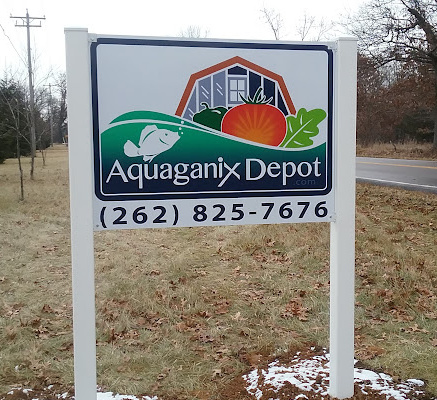
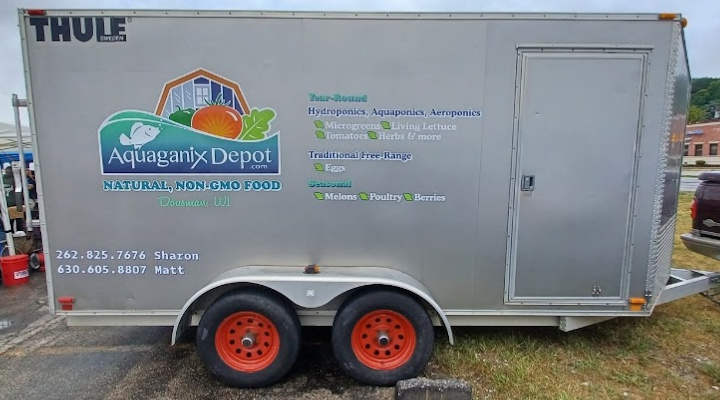
Produce stand at the end of our driveway (has 3 mailboxes at driveway entrance). The best way to find us is to search Google Maps for “Aquaganix Depot”. Contact us if you have any questions about how to get here or if you’d like to reserve a melon for pick up.

At Farmers Markets
If you want to reserve a watermelon at the Dousman Market, contact us and we’ll bring one to the market for you.
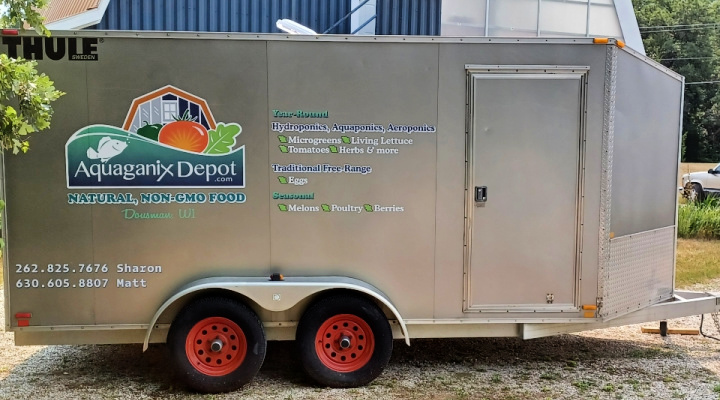
Dousman Farmers Market

Wednesdays 2-6 p.m.
Early May – Mid October
St. Mary’s Church at the intersection of Highway 18 and Highway 67 in Dousman.
Delivery through Farm to Porch

We are also vendor with Farm to Porch Delivery Service. If you are already a Farm to Porch subscriber, you can get watermelons, other produce and exotic microgreens from us through them. You can find them on Facebook: Farm to Porch Delivery Service – Lake Country, WI or at their website.