• Skip to primary navigation
  • Skip to main content
  • Skip to primary sidebar

Aquaganix Depot

Local | Natural | Produce

  • HomeStart Here
  • Our MicrogreensVarieties available
  • Our ProduceWhat we grow
    • Blueberries
    • Eggs From Our Hens
    • Lettuce
    • Melons (Seasonal)
    • Tomatoes
  • Our GreenhouseControlled environment
  • Our Outdoor FarmGrown naturally outdoors
  • About Us
  • Contact Us

Featured

Purslane: A Helpful Edible Plant or Scary Weed?

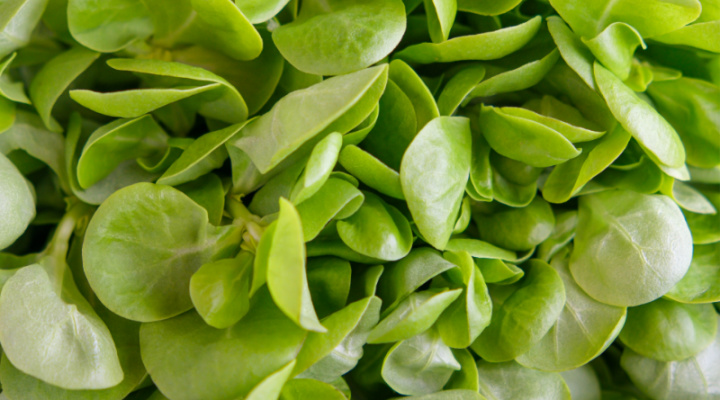
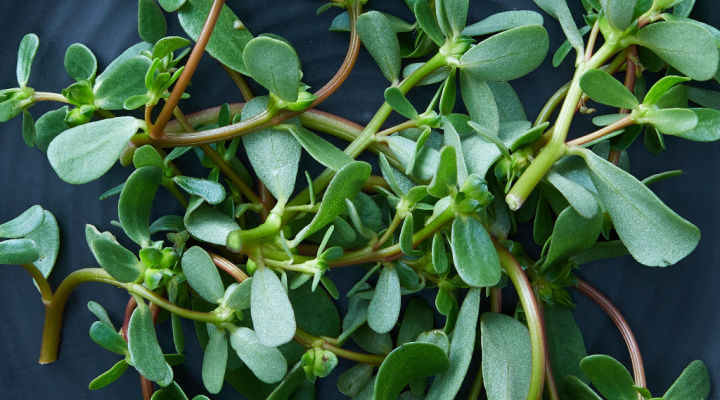
Purslane | Up Close | Aquaganix Depot

What’s the controversy about?

Purslane, also called “Verdolaga” in Mexico, is a nutritious plant with edible leaves, stems, and flowers. Often mistaken for spurge, which can be harmful, Purslane is valued for its health benefits and versatility in cooking.

So What is it and How is it Helpful?

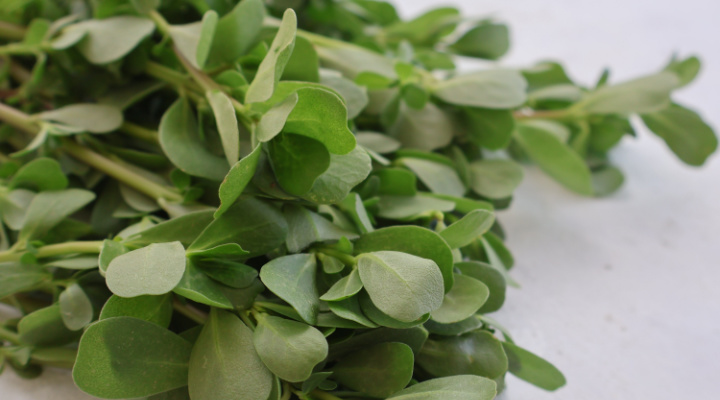
Purslane (Portulaca oleracea) is a succulent plant that grows close to the ground. It has thick, reddish stems and shiny, smooth leaves. It produces small yellow flowers that bloom in sunny weather. This plant is drought-tolerant and grows quickly in disturbed soils or cracks in pavement.

How to Tell Purslane from Spurge

To tell purslane apart from poisonous spurge, break a stem. If the sap is clear, it is safe to eat. If the sap is milky white, it is spurge so leave it alone. Purslane is hairless and does not produce a milky sap, unlike spurge.

Purslane | In a Bunch | Aquaganix Depot

Ways to Eat Purslane

  • Raw: Add to salads, sandwiches, or tuna salads for a tangy crunch.
  • Cooked: Sauté with garlic and onions, add to stir-fries, or include in soups and stews. Cooking can make it slightly gelatinous, which helps thicken dishes.
  • Mexican dishes: Known as verdolagas, it is often cooked with pork in Salsa Verde.
  • Pickled: Preserve the stems and leaves by pickling.

Nutritional Benefits

Purslane is rich in omega-3 fatty acids, vitamins A, C, and B-complex, and minerals like calcium and magnesium. It also contains antioxidants that may support overall health.

Purslane | In Bowl | Aquaganix Depot

Growing and Harvesting

This plant produces many seeds and can reseed itself every year. Cultivated varieties, such as “Golden Purslane,” are larger and easier to harvest. It is safe for most people but contains oxalic acid, so those with kidney stones should eat it in moderation.

Health and Medicinal Uses

This mild lemon or tangy flavored plant is useful for its anti-inflammatory properties. It supports vascular health and provides essential nutrients.

Read about 2 Culinary Herbs You’ll Love

Want to order from us?

2 Culinary Herbs You’ll Love: Pungent Dill and Spicy Cilantro

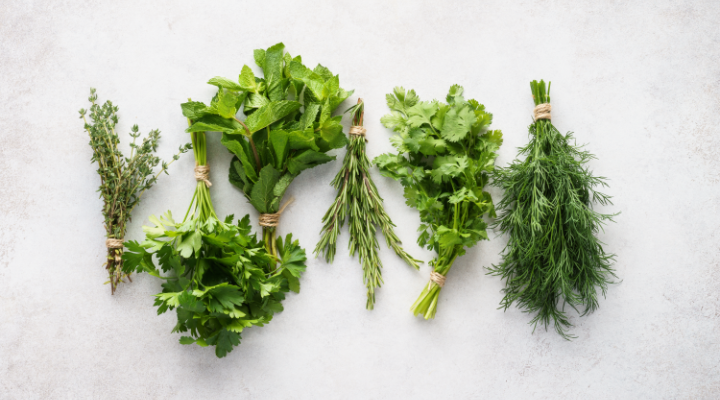
Culinary Herbs | Aquaganix Depot

We grow culinary herbs. Here we’re highlighting Dill and Cilantro. Feel free to contact us about what’s currently growing in our greenhouse.

Culinary Herbs: Dill

We recognize Dill as a versatile culinary herb recognized for its delicate, fern-like leaves and aromatic seeds. It offers a bright, grassy flavor with hints of anise, celery, and lemon. Widely utilized in Mediterranean, Slavic, and Scandinavian cuisines, fresh dill, often called “dill weed,” is popular in salads and fish dishes. Its pungent seeds are essential ingredients in pickling processes.

Dill | Aquaganix Depot

Health Benefits of Dill

Historically valued in traditional medicine, dill continues to receive recognition from modern Western medical practices for its health-promoting properties.

  • Rich in flavonoids, dill may help lower the risk of heart disease and stroke. It can also reduce LDL cholesterol levels, contributing to cardiovascular health.
  • It is a good source of essential nutrients, including vitamins A and C, magnesium, calcium, and iron.
  • Research suggests dill may have anti-inflammatory effects, aid digestion, prevent ulcers, neutralize free radicals, and alleviate pain.

Cooking and Culinary Uses of Dill

Dill enhances many dishes, especially as a garnish for cold soups made with beets, cucumbers, or yogurt. It pairs well with tzatziki, a traditional Greek cucumber-yogurt dip. The herb complements seafood dishes, spreads like sour cream and cream cheese, and is also suitable for lamb preparations.

Culinary Herbs: Cilantro

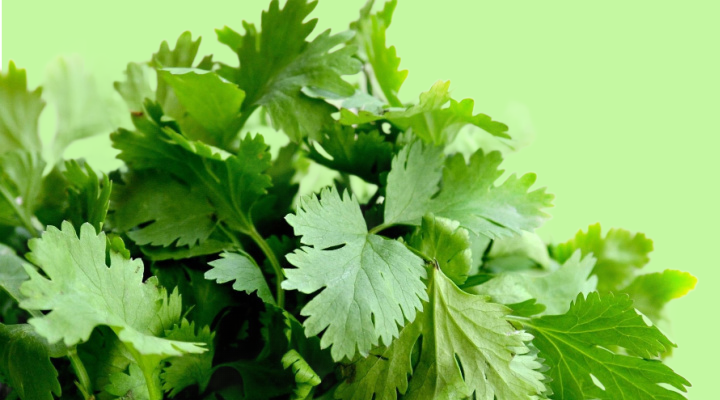
Cilantro | Aquaganix Depot

Cilantro, derived from the fresh leaves and stems of the coriander plant (Coriandrum sativum), belongs to the parsley family.

Health Benefits of Cilantro

Used medicinally since ancient times, the scientific community increasingly supports cilantro’s health benefits through scientific research. Including cilantro in your diet may promote:

  • brain health, with studies indicating potential reductions in symptoms of Alzheimer’s and Parkinson’s diseases.
  • reduced anxiety

Uses for Cilantro

It is a staple in Mexican, Indian, Thai, and Middle Eastern cuisines, frequently used in salsas, marinades, dressings, and garnishes. American kitchens value cilantro for its fresh, citrusy aroma and flavor.

Read about our microgreens.

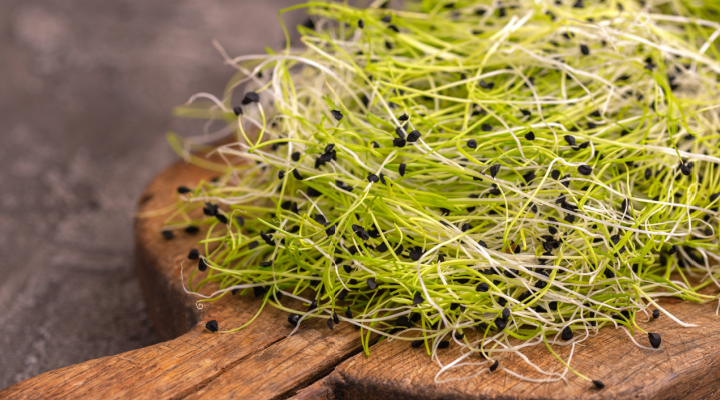
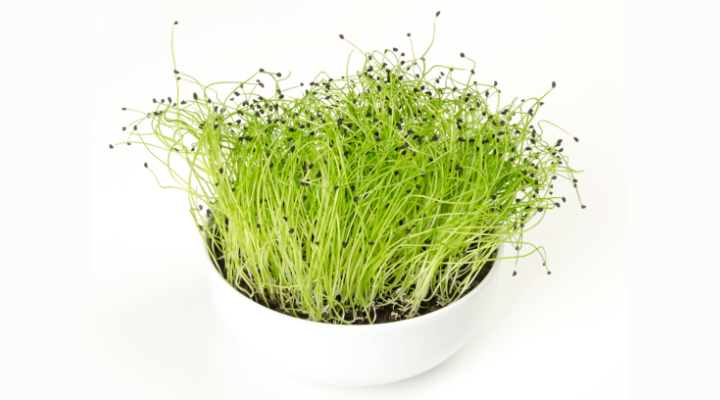
3 Excellent Reasons to Add Watercress Microgreens to Your Meals

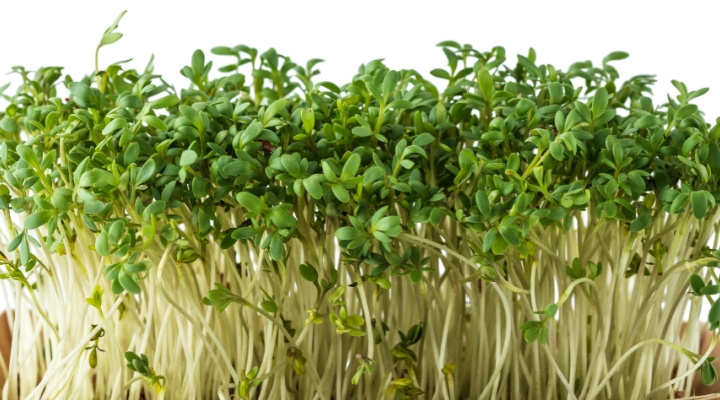
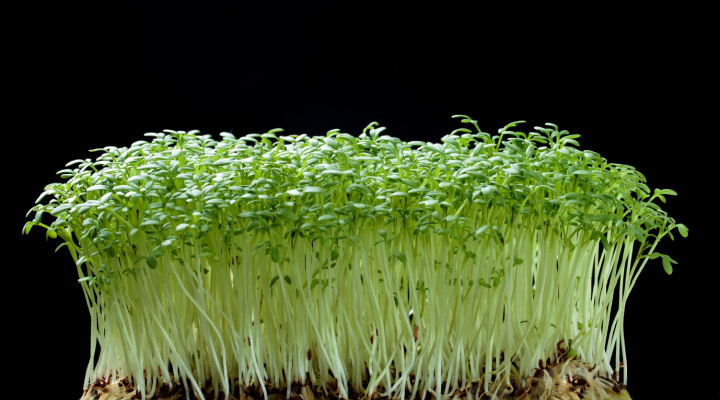
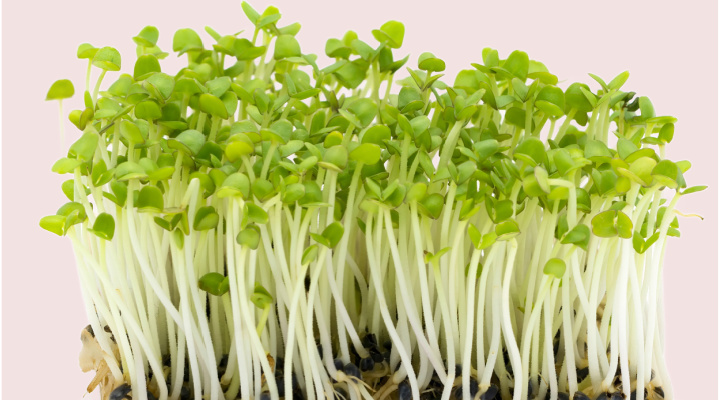
Watercress Microgreens 1 | Aquaganix Depot

Why is there a sudden surge of interest in watercress microgreens? Historically, watercress has been valued for centuries for its medicinal properties. Its microgreen counterpart continues this tradition, providing traditional health advantages in a modern, convenient presentation. What does this mean for you?

Watercress microgreens offer:

  1. A readily accessible source of vital nutrients. Nutrition-wise, watercress microgreens are rich in essential vitamins such as A, B complex, C, E, and K. They also contain vital minerals including calcium, magnesium, and potassium. This contributes to overall health and wellness.
  2. Tons of flavor in a peppery, slightly tangy way. The flavor of watercress microgreens can elevate a dish and provide a burst of freshness. This follows contemporary culinary trends focusing on nutritious, flavorful eating.
  3. Healthy naturally occurring bioactive compounds called phytochemicals. These include bright orange and yellow pigments called carotenoids, like beta carotene. They also include polyphenols, anthocyanins, and glucosinolates. These substances fight free radicals and reduce inflammation. This can help protect the body from damage and disease.
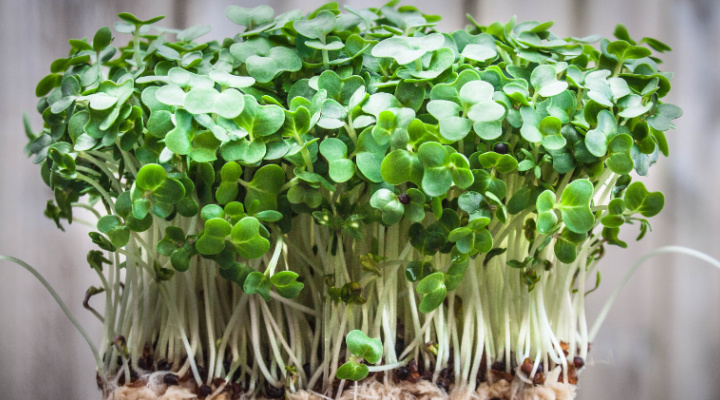
Watercress Microgreens 3 | Aquaganix Depot

Imagine the delight of guests savoring a dish enhanced with these microgreens, experiencing both the extra zest and nutritional value they provide. As a cook or host, you gain satisfaction from serving meals that are as healthy as they are flavorful.

Incorporating watercress microgreens into your meals is simple.

They can be layered in sandwiches, used as a garnish on soups and salads, or sprinkled over any dish that benefits from a bold, peppery accent.

Watercress Microgreens 4 | Aquaganix Depot

For culinary inspiration, consider a recipe like Burrata and Microgreens with Mandarin Orange Vinaigrette by Amanda MacArthur. This dish combines the sweet and salty flavors of mandarin oranges and Burrata cheese with nutrient-dense microgreens, topped with crunchy cashews.

Ingredients

  • 6-8 mandarin oranges (1/2 cup fresh juice, some slices reserved)
  • 2 tsp seasoned rice wine vinegar
  • 1-clove of garlic
  • 1-shallot, sliced finely
  • 1 tbsp honey (add more for a sweeter dressing)
  • pinch of salt
  • pinch of freshly cracked pepper
  • 1/4 cup extra-virgin olive oil (sesame oil is tasty as well!)
  • 2 cups fresh Watercress Microgreens
  • 1/4 cup salted cashew halves
  • Optional: 4oz Burrata cheese

Instructions

  1. In a small ball jar or dressing cruet, add the zest of one mandarin orange. Slice the oranges in half and squeeze until you get about 1/2 cup of juice in the jar. Reserve some mandarin pieces that are still a little juicy, or pull them from a new orange.
  2. Grate 1/4 – 1/2 a fresh clove of garlic, depending on your preference, and finely slice your shallot. Add a pinch of shallot to the dressing with the garlic, and reserve the rest of the shallot for the salad as a garnish. Mix and let sit for 15 minutes.
  3. Add honey, salt, and pepper, oil, then screw on the cover and shake vigorously for about 30 seconds. Let sit for at least 15 more minutes, but it tastes even better if you refrigerate it overnight!
  4. Prepare a bowl of microgreens, and if adding Burrata, add it to the middle and drizzle with extra honey. Top with cashews, remaining sliced shallots, a sprinkle of salt and pepper, and drizzle with citrus vinaigrette. Enjoy!
Watercress Microgreens 2 | Aquaganix Depot

This recipe exemplifies how watercress microgreens can be integrated into diverse dishes, adding both nutritional value and vibrant flavor. Their versatility makes them suitable for salads, garnishes, and more elaborate culinary creations, aligning with health-conscious and flavor-focused eating habits.

In summary, watercress microgreens are a potent, flavorful, and nutritious addition to modern cuisine. They are rich phytochemical profile, vibrant color, and peppery taste. This makes them a good choice for enhancing both health and variety in dishes. Adding them into your meals adds flavor, while giving you good health benefits.

Find out more about the microgreens we offer .

Beautiful Red Amaranth Microgreens

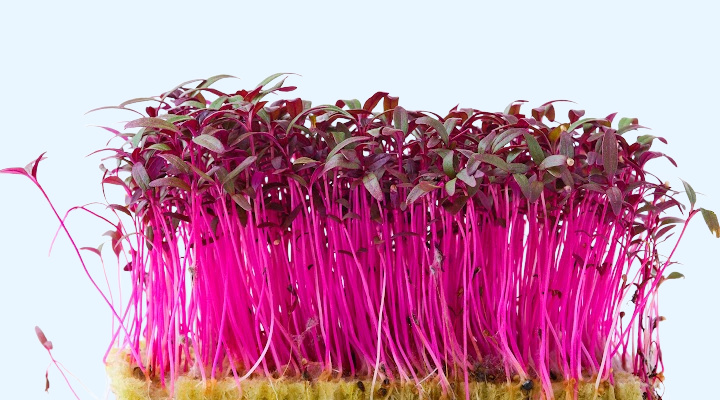
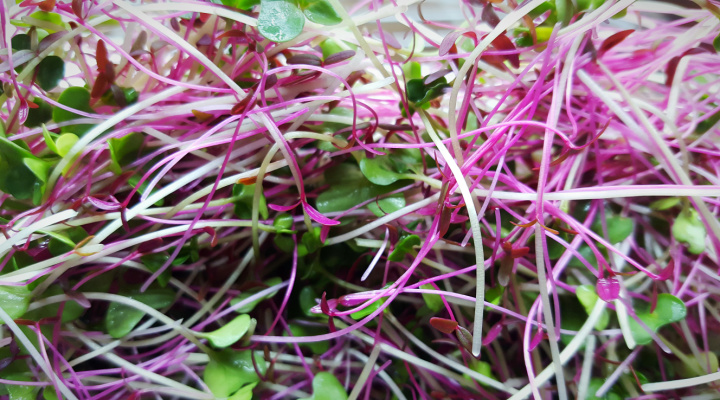
Red Amaranth Microgreens | Aquaganix Depot

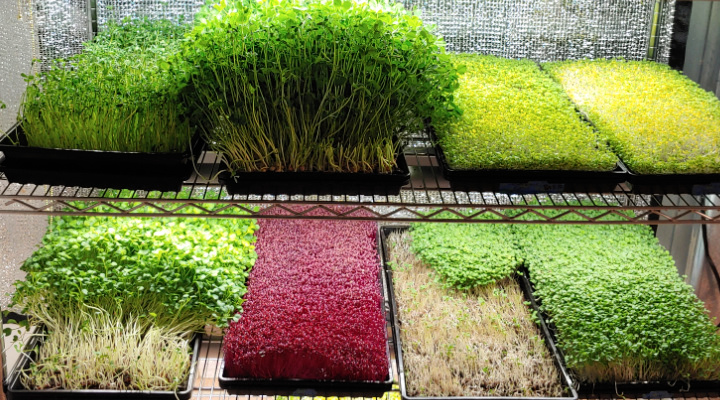
Prized by restaurants, Red Amaranth microgreens add rich color to salads and entrees. Amaranth microgreens are rich in Vitamin K, Vitamin C, and iron, which can help with blood clotting, immune function, and red blood cell production. Their protein content is essential for tissue repair. Health benefits can include enhanced immune function, improved bone health, and better digestion.

Key Aspects of Red Amaranth Microgreens:

  • Appearance & Taste: Striking crimson-magenta leaves and stems, offering a mild, nutty, and slightly sweet, beet-like flavor.
  • Nutritional Value: A powerhouse packed with vitamins K, E, and C, along with protein, iron, and calcium.
  • Uses: Best served raw in salads, as a garnish, or in sandwiches due to their delicate texture.

Red amaranth is an excellent choice for adding visual appeal to microgreen mixes.

Red Amaranth Microgreens and Grilled Chicken Salad

  • Prep Time:10 mins
  • Cooking Time:15 mins
  • Servings: 4

This hearty and colorful salad features tender grilled chicken and fresh Red Amaranth Microgreens, tossed with crispy vegetables and a zesty balsamic dressing, making for a protein-packed meal.

Ingredients

  • 1 cup UNS microgreens
  • 2 boneless, skinless chicken breasts
  • 1 tablespoon olive oil
  • 1 tablespoon balsamic vinegar
  • 1 teaspoon Dijon mustard
  • 1/2 teaspoon garlic powder
  • Salt and pepper to taste
  • 1/2 cucumber, sliced
  • 1/4 cup cherry tomatoes, halved
  • 1/4 cup feta cheese, crumbled
  • 1 tablespoon toasted sunflower seeds (optional)

Cooking Directions

  1. Preheat the grill or grill pan to medium-high heat.
  2. Rub the chicken breasts with olive oil, garlic powder, salt, and pepper. Grill the chicken for 6-7 minutes per side, or until cooked through.
  3. In a small bowl, whisk together balsamic vinegar, Dijon mustard, and a pinch of salt and pepper to make the dressing.
  4. Slice the grilled chicken and set aside.
  5. In a large bowl, combine microgreens, cucumber slices, cherry tomatoes, and feta cheese.
  6. Toss with the balsamic dressing, and top with grilled chicken slices.
  7. Garnish with toasted sunflower seeds for an added crunch and serve immediately.

Want to read about our Basil Microgreens?

Popcorn Microgreens: Rich in essential nutrients such as vitamins A, C, and K

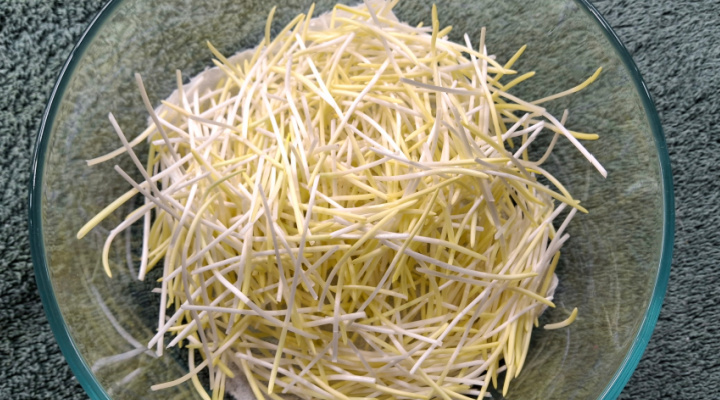
Popcorn Shoots | Aquaganix Depot

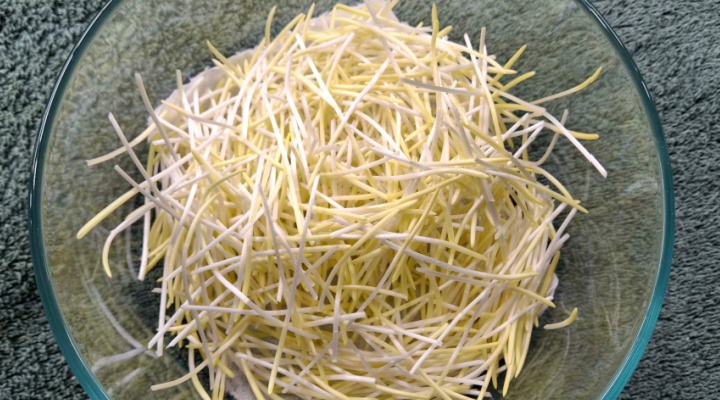
Popcorn microgreens are young, vibrant shoots of a special North American corn variety. They are bright yellow, crunchy, and moist, making them a colorful addition to various dishes. These microgreens have a sweet corn flavor with a slight sour and grassy taste, which adds depth to culinary creations. They are popular among chefs for their unique flavor and visual appeal, and they can be used in many ways in cooking.

Flavor and Appearance of Popcorn Microgreens

The flavor of popcorn shoots resembles sweet corn on the cob, with hints of popcorn and licorice. Their bright yellow color makes them stand out, and their crunchy texture provides a satisfying bite. They are suitable for garnishing or as a main ingredient in dishes, offering both taste and visual interest.

Nutritional Benefits

Popcorn shoots are rich in essential nutrients such as vitamins A, C, and K, along with minerals like iron, magnesium, and calcium. They also contain beneficial plant compounds like carotenoids and flavonoids. Consuming these microgreens regularly can support overall health, including boosting the immune system, improving bone strength, and helping control blood sugar levels.

Health Benefits

  • Supports bone strength
  • Helps in managing diabetes
  • Supports lower blood pressure
  • Helps in anemia prevention
  • Acts as an antioxidant
  • Supports immune health
  • Helps maintain good vision
  • Promotes healthy skin
  • Helps with constipation and other colon related problems
  • Supports cholesterol absorption
  • Helps guard against cardiovascular issues
Popcorn Shoots 2 | Aquaganix Depot

Uses in Cooking

Popcorn shoots are versatile and can be added to many dishes. They are great for salads, soups, seafood, and even desserts. It is best to add them at the end of cooking to keep their texture and flavor. They can be used as a garnish or mixed into dishes like burgers, sandwiches, or pasta. Their neutral taste allows for both sweet and savory uses, including blending into sauces.

Storage Tips

Keep popcorn shoots in the refrigerator at 36-40°F in their original packaging to maintain freshness and vibrant color. Proper storage helps preserve their crisp texture and visual appeal.

Summary

Popcorn microgreens are a nutritious, colorful, and flavorful addition to many meals. Their unique taste and appearance make them a popular choice for enhancing dishes and supporting a healthy diet. They are easy to incorporate into various recipes and offer numerous health benefits, making them a valuable ingredient for both home cooks and professional chefs.

Want to read about our Red Amaranth Microgreens?

Basil Microgreens: A Popular and Potent Vitamin-Packed Power Punch

Basil Microgreens 1 | Aquaganix Depot

Basil microgreens are nature’s powerhouse packed with Protein, vitamins (such as A, C, K) and minerals (Calcium, Zinc, Magnesium).

We Now Grow Genovese Basil Microgreens

Do you love to make fresh from the garden pesto or caprese salad? You may be using a type of sweet basil known as Genovese basil. Genovese basil is one of the most popular basils for culinary use.

Basil Microgreens 2 | Aquaganix Depot

Other Varieties of Basil Microgreens We Offer

In addition to this type of basil, we also grow Cinnamon, Italian, Lemon Thai, and Sweet basils. Contact us to see what is currently growing in our green house.

The unique, aromatic flavor of basil microgreens makes them a versatile addition to various dishes. Serve up salads, wraps, smoothies and pesto. They can also be incorporated into: sandwiches, pasta, soups, veggie bowls, noodle bowls and pizza. Incorporate them into your diet to enhance your nutrient intake.

Garlic and Lemon Pasta with Basil Microgreens

  • 1 pound spaghetti, dry
  • ½ cup olive oil extra virgin
  • 2 tablespoons butter
  • 1 tablespoon garlic, minced
  • 1 tablespoon lemon zest
  • ¼ cup fresh lemon juice
  • ¼ cup chicken or vegetable broth
  • ⅛ teaspoon freshly ground pepper
  • ¼ teaspoon salt
  • 1 cup basil microgreens
  • ½ cup chopped fresh parsley
  • freshly grated Parmigiano-reggiano

Directions:

  1. Cook spaghetti in a large pot of salted boiling water until al dente.
  2. Meanwhile, in a small saucepan, heat oil and butter over medium-low heat. Stir in garlic, lemon zest, lemon juice, broth, salt and pepper. Raise heat to medium-high. Bring to a gentle simmer, reduce heat and simmer for 3 minutes.
  3. Drain the pasta. Return it to its cooking pot and immediately pour the heated sauce over it. Add basil microgreens and parsley. Use tongs to gently toss the pasta and sauce together. Transfer pasta to a heated serving bowl.
  4. Top with grated Parmigiano-reggiano, a light sprinkling of sea salt and freshly ground pepper and a squeeze of lemon juice.

Want to read about our Red Amaranth Microgreens?

Find Us at Waukesha Winter Farmers’ Market

Winter Farmer's Market | Aquaganix Depot

We will offer a wide selection of microgreens at the winter farmers’ market, harvested in front of the customers and packaged at purchase (into your container or ours). We grow over thirty different varieties, and choose the ones that are at their peak for each Saturday’s Farmers Market. The market is held from 9am to 1pm at: Martha Merrell Books & Cafe, 231 W Main St, Waukesha, WI 53186

Can’t Find What You Need at the Winter Farmers’ Market?

If you don’t see the microgreen you are looking for at the market, we welcome special orders upon request. Delivery service is available within a 25 mile radius of our greenhouse located in Dousman, WI.

Farm Pickup | Aquaganix Depot

You can also order and arrange to pick up your microgreens, chicken, eggs, lettuce and tomatoes.

Want to read more about our microgreens?

Want to know more about our chickens or our eggs?

Pasture-Raised Broiler Chickens

Chicken Tractor | Aquaganix Depot

Another offering from our outdoor farm is pasture-raised broiler chickens. You can contact us to reserve your broiler chickens for pick up.

Why is it good to eat pasture-raised chickens? “Pasture-raised chicken meat tends to be higher in iron, higher in Omega 3, have a lower Omega 6:3 ratio, and be higher in antioxidants (Vitamin E, for example).” – Mike Badger, American Pastured Poultry Producers Association

Cornish Cross
Cornish Cross

Why choose pasture-raised broiler chickens over cage free or free range chickens?

The main distinction between these types of chickens is that pasture-raised chickens generally have more space than ‘free range’ chickens do.

Here are two photos of our young broilers (Rangers & Cornish Cross chickens).

Pasture-raised broiler chickens | Aquaganix Depot
cornish hens | Pasture raised | Aquaganix Depot

Here’s a recipe for cooking pasture-raised broiler chickens from Fed By The Farm’s website.

Whole Roasted Chicken (Pasture Raised)

INGREDIENTS

  • 3-4 lb whole chicken
  • 1/2 tbsp olive oil
  • 1 medium lemon quartered
  • 1 tbsp butter
  • 2 large rosemary sprigs finely chop just 1 heaping tsp, reserve the rest of the sprigs in whole
  • 1 small onion quartered
  • 1 tsp coarse kosher salt
  • 1/4 tsp ground pepper
  • 4 medium carrots cut in half lengthwise then chopped into 2-inch long pieces
  • 4 medium yellow or red potatoes quartered

INSTRUCTIONS

Before Roasting:

  • Drain the chicken and pat well to dry. Remove the thawed chicken from its wrapper. Tip the cavity over your sink drain to drain any excess. Pat the chicken well to dry. This will make it easier for your spices to adhere to the skin.
  • I then lay my chicken on a clean baking sheet to season it before placing inside my roaster. This gives me easy access to the full chicken and catches any drippings.
  • Preheat a conventional oven to 350 degrees.
  • Season your chicken. Rub the olive oil over the chicken, be sure to cover all the skin…top, bottom, around those legs and wings. I like to do this with my hands for best coverage.
  • Squeeze half the lemon over the bird on both sides.
  • Next, stuff the cavity. Use the lemon half you just squeezed, butter, rosemary sprigs and at least half of the onion.
  • Rub the salt, pepper and teaspoon of chopped rosemary all over your chicken.
  • Add the seasoned chicken and veggies to your pot. Put the chicken breast side down in a deep glass or cast aluminum dutch oven that has a lid. Breast side down will ensure the white meat stays juicy and flavorful!
  • Nestle the potatoes in around the chicken. Put the potatoes in before the carrots. As they sit on the bottom of the pan they roast in the juices. Then squeeze a quarter of the remaining lemon over your potatoes.
  • Now fill in the spaces in between and on top of the potatoes with the carrots. Optional: squeeze the rest of the lemon over the veggies and chicken. You can discard the remaining lemon peel, or stuff it inside the chicken if there’s room.

Instructions for Roasting:

  • Roast the whole chicken at 350 degrees. Count on about 20 minutes of roasting per pound of chicken, plus up to 15 additional minutes. Put the lid on your roaster and place it in the center of your preheated oven.
  • Your chicken is done when a meat thermometer inserted deep into the thigh measures 165 degrees. The meat should be pulling back from the ankle bone and the juices are running clear.
  • Remove from the oven and let sit for 15 minutes before carving. This will give the chicken’s juices some time to retract back into the meat.

We also sell eggs. Why buy pasture-raised eggs? According to Mike Badger, American Pastured Poultry Producers Association, they “have higher Omega 3s, a lower Omega 6:3 ratio, increased vitamin D, and more antioxidants.” Interested in our pasture-raised eggs?

  • Page 1
  • Page 2
  • Go to Next Page »

Primary Sidebar

Purslane: A Helpful Edible Plant or Scary Weed?

2 Culinary Herbs You’ll Love: Pungent Dill and Spicy Cilantro

3 Excellent Reasons to Add Watercress Microgreens to Your Meals

Beautiful Red Amaranth Microgreens

Popcorn Microgreens: Rich in essential nutrients such as vitamins A, C, and K

Basil Microgreens: A Popular and Potent Vitamin-Packed Power Punch

What is Aquaganix?

AQUA – purified water, the major component of our growing systems

GANIX – creating the optimal natural growing environment

DEPOT – our “open source” philosophy provides you with quality food, food-safe equipment, supplies, and shared expertise

Our Greenhouse Project

Planning and Design

It all began with . . . We made multiple visits to county and town officials for advice (including the Waukesha County

Groundwork

Groundwork: Excavating & Building the Forms The first decision in excavating the area marked by the surveyor, was

Raising the Steel

Raising the Steel: Taking Precise Measurements To be sure there was no possibility of puncturing the PEX tubing

The Outer Shell

The Outer Shell: Insulating To keep heating and cooling costs lower, we must minimize “thermal bridges” between the

Follow Our Greenhouse Project

Learn More

How We Did It

We started with planning and design. Then moved to the groundwork to prepare for the raising of the steel. Lastly, we built the outer shell.

Pages

  • Our Produce
  • Grow Your Own Produce

Fresh Produce

  • Where We Deliver
  • Contact Us

Get in Touch

Interested in knowing more?

Contact Us

Copyright © 2026 · aquaganixdepot.com · Log in